
Controversy Surrounds Nigeria Football Federation Leadership
Newsroom
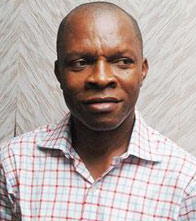
On August 23, 2026, the ongoing turmoil in Nigeria's football scene has captivated fans and stakeholders alike, primarily due to the calls for the resignation of the Nigeria Football Federation (NFF) leadership, headed by Ibrahim Musa Gusau. Social and mainstream media have been filled with discussions regarding the outgoing board's potential future in the next election.
Notable figures like Chief Segun Odegbami, Dr. Danladi Bako, Barrister Godwin Dudu-orumen, and Tony Ubani, editor of Sporting Vanguard, have expressed a unanimous opinion that Gusau and his associates lack the moral authority to seek reelection. Joining this chorus is London-based anti-corruption advocate in football, Osasu Obayiuwana, a former BBC sports correspondent who has worked closely with the NFF. Regarding the circumstances surrounding the NFF, Obayiuwana stated, "I know you folks want me to give you chapter and verse on all that is happening. But to be honest, I’m fed up of talking…". However, he felt compelled to speak out about the issues he encountered while serving on the NFF governance reform committee between 2018 and 2020.
Obayiuwana revealed that the federation disregarded well-meaning recommendations, which left a void in governance. Issues worsened when committee members were unable to access vital organizational documents. Meanwhile, frustrations have surfaced from figures like Austin Eguavoen and Justin Madugu, who have voiced their dissatisfaction with the NFF's operational challenges, particularly post-Super Falcons' exit from the WAFCON.
Both Eguavoen and Madugu have significant grievances about the lack of necessary resources and support from the NFF, though previous public silence about these issues raises questions about their timing. This discontent reflects a broader concern about the NFF's operational integrity.
Amid escalating frustrations, concerns about the NFF's financial management have emerged. Sylvanus Ofekun remarked that no previous NFF administration has experienced the financial influx comparable to the Gusau board, which received over ₦17 billion in January 2024, coupled with additional funds from FIFA and CAF. Yet, with all these resources, the results have been disappointing, with national teams failing to qualify for global competitions and domestic clubs struggling.
Ofekun lamented that while the NFF has received substantial support, it fails to produce the desired outcomes. The ongoing struggle for the Super Falcons regarding unpaid bonuses illustrates the severe implications of financial mismanagement.
In reflection, many stakeholders remember how Alhaji Ibrahim Galadima faced backlash in 2005 after the Super Eagles failed to qualify for the 2006 World Cup, despite having no financial scandals associated with his administration. In contrast, current leaders, embroiled in financial controversy after missing two consecutive World Cup Finals, still seek another term, raising significant doubts about accountability and governance in Nigerian football.
Fonte: vanguardngr.com.