The Evolution of Closers in Major League Baseball
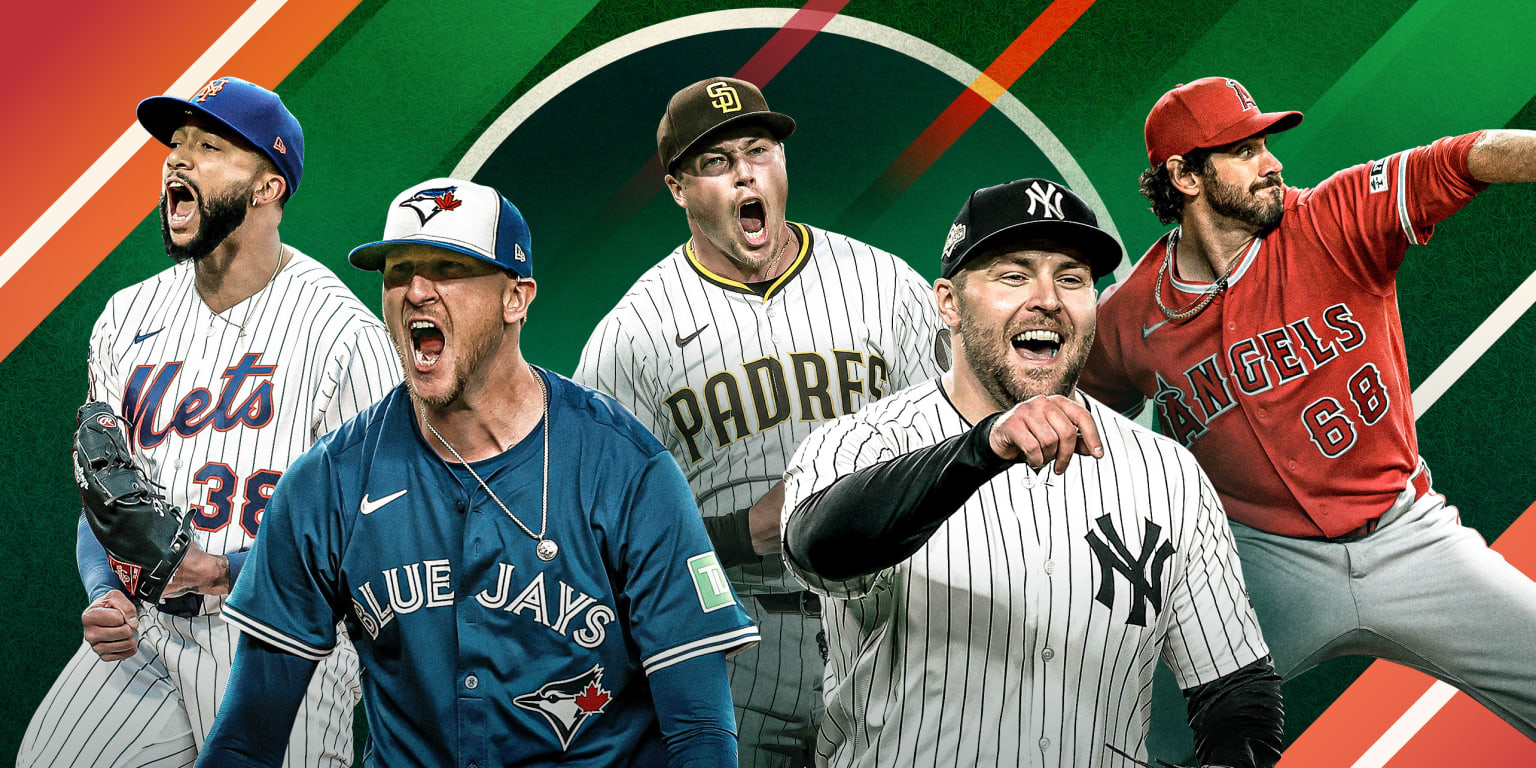
In recent years, the role of traditional closers in Major League Baseball has come under scrutiny as teams evolve their bullpen strategies. Once a staple of the game, the classic closer—often seen as the player who would come in during the ninth inning to secure a win—appears to be fading into the background as teams increasingly prioritize matchups over established roles.
Mariano Rivera, a name synonymous with closing, set a high bar with his 652 saves during his illustrious career, a record that may stand for generations. However, if Rivera were entering the league today, it’s uncertain whether he would have the same opportunities to accumulate such impressive numbers. An American League executive noted, "Matchup cards are overriding the traditional closer role. The fan in me doesn’t like it, but it’s a well-supported strategy."
While some teams still adhere to the traditional closer model, others have embraced a more flexible approach. For instance, San Diego's Mason Miller has excelled as a reliever, earning saves in all of his first 11 appearances this season, showcasing that the role is not entirely obsolete. Yet, across the league, the trend is clear: through the first 23 games of the season, 86 pitchers have recorded at least one save, marking the highest total since 2000.
The shift in bullpen usage is not merely a passing trend; it has been developing over several seasons. An AL executive explained, "We’re all trying to find opportunities to put our best arms against the other team’s best hitters, because those are the leverage moments." This strategic shift often sees top relievers deployed in high-leverage situations earlier in the game, rather than waiting for the ninth inning.
Diamondbacks manager Torey Lovullo acknowledged that while traditional roles still exist, the versatility of modern bullpens is crucial. "The way bullpens are built today, I think everybody's in a very versatile role," he stated, highlighting a significant change from two decades ago when closers were expected to wait until the ninth inning.
In fact, the past four seasons have seen over 200 pitchers record at least one save, a feat that had never occurred before 2022. The Diamondbacks, for example, led the league with nine relievers earning multiple saves, a testament to the evolving nature of the role. General manager Mike Hazen remarked on the necessity of having backup closers, stating, "The days of guys running a closer out there three days in a row in April just don’t happen anymore."
The evolution of the closer role can be traced back to pivotal moments in recent history, such as Andrew Miller’s transition from a traditional closer to a versatile reliever with the Yankees and later the Indians. This shift has prompted teams to rethink how they utilize their best pitchers, often deploying them in critical situations regardless of the inning.
As the culture around bullpen usage continues to shift, players are beginning to understand that facing the heart of the lineup in the eighth inning can be just as crucial as closing out a game in the ninth. An AL executive summarized this transition, stating, "If, in the eighth inning, your top reliever is pitching to some combination of Aaron Judge, Giancarlo Stanton, and Ben Rice, that’s a better outcome than pitching the ninth against the bottom of the Yankees’ order."
As Major League Baseball navigates this transition, the future of the traditional closer remains uncertain. The ongoing evolution of bullpen strategies suggests that while the classic closer may not be entirely extinct, their role is undoubtedly changing.
Source : mlb.com.