F1 Considers Return to V8 Engines for Future
Newsroom
Formula 1 found itself in the midst of two parallel discussions regarding engine regulations, both significant for the sport's future. The immediate focus was on addressing various issues stemming from the new engines that had been introduced this year, requiring resolution within a couple of weeks to implement changes in time for the following season. These discussions were already well underway.
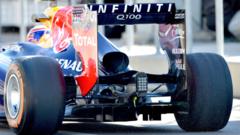
Long-term considerations revolved around what type of engine should be introduced when regulations were set to change in four or five years. Mohammed Ben Sulayem, president of the governing body the FIA, advocated for a return to a naturally aspirated V8 with a basic hybrid system, similar to the regulations in place during 2013. However, this proposal raised questions about reverting to an outdated engine style at odds with current automotive technology, even if the shift toward electrification had been slower than anticipated over the past few years.
There was a broad consensus within F1 that the current set of engine regulations had not hit the mark, despite positive aspects such as increased overtaking and rising television viewership. The initial three races had shown significant audience increases. Nonetheless, concerns about the excessive energy management requirement affecting the purity of the driving experience, especially during qualifying, were acknowledged. Many believed that this change had negatively impacted the essence of being an F1 driver.
The ongoing challenge stemmed from the nominal 50-50 energy split between internal combustion and electrical power present in the current engine architecture, which required major compromises. Future engine regulations were scheduled to take effect in 2031, with contracts binding teams, the commercial rights holder, and the FIA expiring at the end of 2030. Ben Sulayem could theoretically impose new engine rules starting in 2031, leveraging that prospect to potentially advance changes to 2030.
While he could take unilateral action, doing so risked the departure of one or more manufacturers, a situation the sport could ill afford, particularly after attracting new entrants like Audi, Ford, and General Motors, while convincing Honda to reverse its exit decision. Stakeholders showed openness to discussions on reducing electrification and modifying the current 1.6-litre V6 turbo internal combustion engine, ensuring the retention of carbon-neutral sustainable fuels introduced this year, thereby addressing concerns over increased emissions.
Concerning engine weight, Ben Sulayem expressed interest in V8s for various reasons, including sustainability, cost-efficiency, and fan engagement. Modern power units weigh 185kg, while the V8s from 2013 weighed only 130kg. However, despite differences in weights, comparisons weren't straightforward due to advancements in safety technology.
On the sound front, Ben Sulayem suggested that the dramatic noise of V8s could enhance fan experience, acknowledging that while some preferred the louder sounds of past engines, there was little concrete evidence of audience size favoring this preference. The emergence of turbo hybrids since 2014 has invited a new generation of fans who may enjoy the change. If implemented, louder engines could disrupt races held in city centers due to noise complaints.
Manufacturers exhibited a general willingness to consider engine changes, with Mercedes stating they were ‘open’ to discussions and expressing fondness for V8s—however, there remained divergence on the specifics of any future engine architecture.
Source: bbc.com.