2026 World Cup: Financial Constraints Hinder African Teams
Newsroom
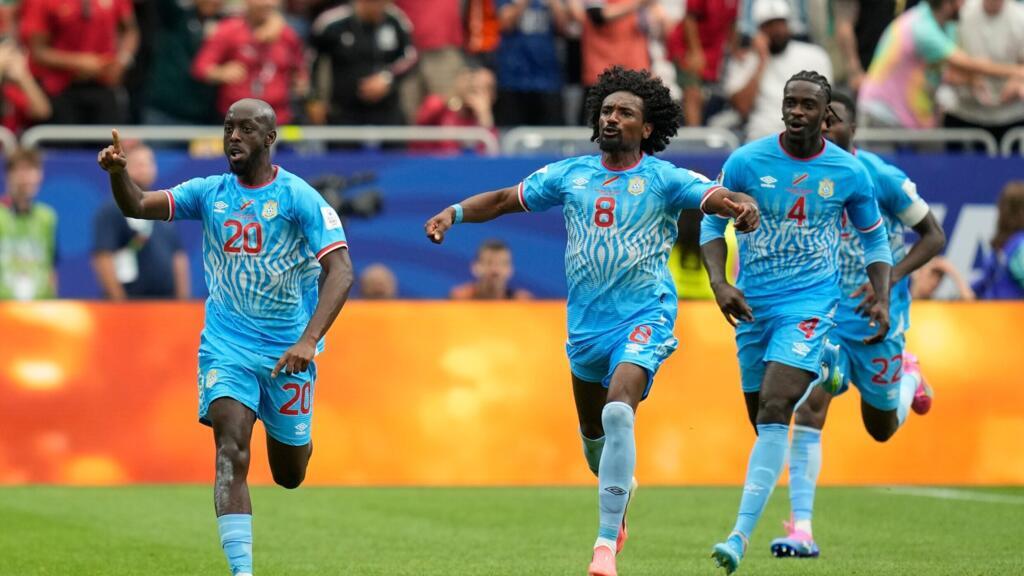
As the football World Cup continues with new matches scheduled for Wednesday, a focus on the financing of teams highlights a crucial point for the competition. The lack of financial resources and the exodus of talent undermine the chances of many African countries. For the first time, ten African countries have been selected for this World Cup, and African players are celebrated worldwide. However, since the inception of the World Cup, no African team has lifted the trophy. This raises a paradox: Africa produces talent but lacks the ecosystem to capitalize on its young footballers. Today, 97% of the value of African World Cup squads is held outside Africa, estimated at 2.4 billion euros. In contrast, all clubs across the African continent generate less than 400 million dollars in annual revenue—less than the revenue of a single one of Europe’s top five clubs. Comparatively, the Premier League currently boasts revenue in the billions of pounds per season. This disparity is underscored by two studies from Harvard. The paradox is thus structural, not just sports-related. Africa exports its talents but lacks the economic machinery to empower them. It is akin to an economy that exports raw materials without developing the entire production chain. The talent is African, but the economic chain is predominantly European.
To compete with the best, African teams need infrastructure, revenue, training centers, and the routine of facing top-tier teams. The World Cup exposes this imbalance: an African team might defeat a great nation in a match, but to win a tournament, a system capable of producing champions across multiple generations is necessary. African federations require revenue to provide the best training conditions for players and enable them to thrive professionally. However, when they sell a player internationally, the training compensation and solidarity contribution—comprising 5% of each international transfer—do not sufficiently compensate them, especially knowing that a player sold for 150,000 euros could be worth 30 million in a few years, creating wealth in Africa but captured elsewhere.
For years, the media rights from African competitions remained outside the continent. The African Football Confederation signed a record number of media rights for the last Africa Cup of Nations in Morocco to better develop football infrastructure and talent on the continent. Yet, many competitions have remained inaccessible to local channels, prompting calls for African viewers not to be forced to subscribe to foreign or private channels to follow football competitions.
Fuente: rfi.fr.