Riders face record 37°C heat at Tour de France stage 4
Newsroom
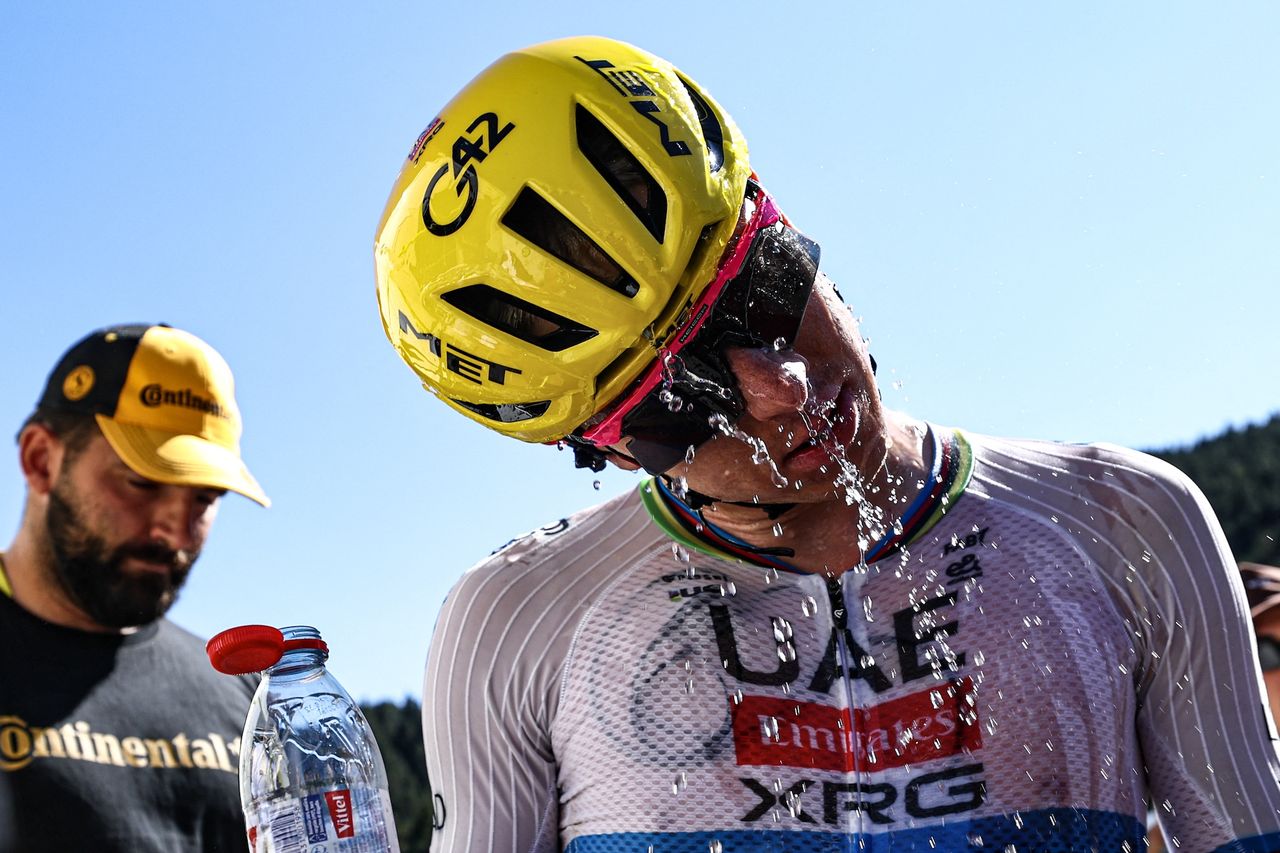
Riders at the Tour de France faced extreme conditions during stage 4, as temperatures reached an unprecedented 37°C at the finish line in Foix. Following stage 3, where riders battled heat and fatigue during their race over the Pyrenees from Granollers to Les Angles, concerns about health and safety intensified.
Tom Pidcock (Pinarello-Q36.5) described the previous stage as the hardest race he had ever experienced in such heat, remarking, "It was ridiculous." He elaborated on the exhausting conditions, likening the experience to a warzone, highlighting the peloton's need to consume approximately 10,000 bidons of water.
Throughout the lead-up to the Tour, France and much of Europe had sweltered under hot weather, a trend expected to continue in southwestern France. The French government had communicated to local prefects that they could cancel stages if a Code Red weather alert was issued, aiming to protect the safety of spectators and emergency services. While a Code Orange alert was already confirmed for some departments along the route, no immediate plans to alter the stage schedule had been announced.
Matteo Trentin, a vocal advocate for rider safety, expressed concerns during the race in Les Angles, stating, "If I wasn't a pro, I wouldn't ride my bike in this heat. It's not healthy." With the heat presenting increasing challenges as the race unfolded, modifications to stage times or schedules were proving difficult due to the proximity of the events.
Riders have adapted to the heat, utilizing various cooling strategies. The UCI has implemented an Extreme Weather Protocol to guide teams in managing hydration and cooling methods. This protocol employs a Wet Bulb Globe Temperature (WBGT) index, which assesses temperature, humidity, solar radiation, and wind speed to evaluate risk levels during competitions.
Race officials and team representatives meet before races to assess the conditions and decide on necessary countermeasures, identifying a WBGT index of 28°C and above as high risk. Teams have introduced measures like ice vests, ice socks, and ice baths to help riders cope with the heat. Despite the extreme weather, Tour de France organizers remained hesitant to cancel or modify stages.
Fuente: cyclingnews.com.