Drones show potential for anti-doping sample transport
Newsroom
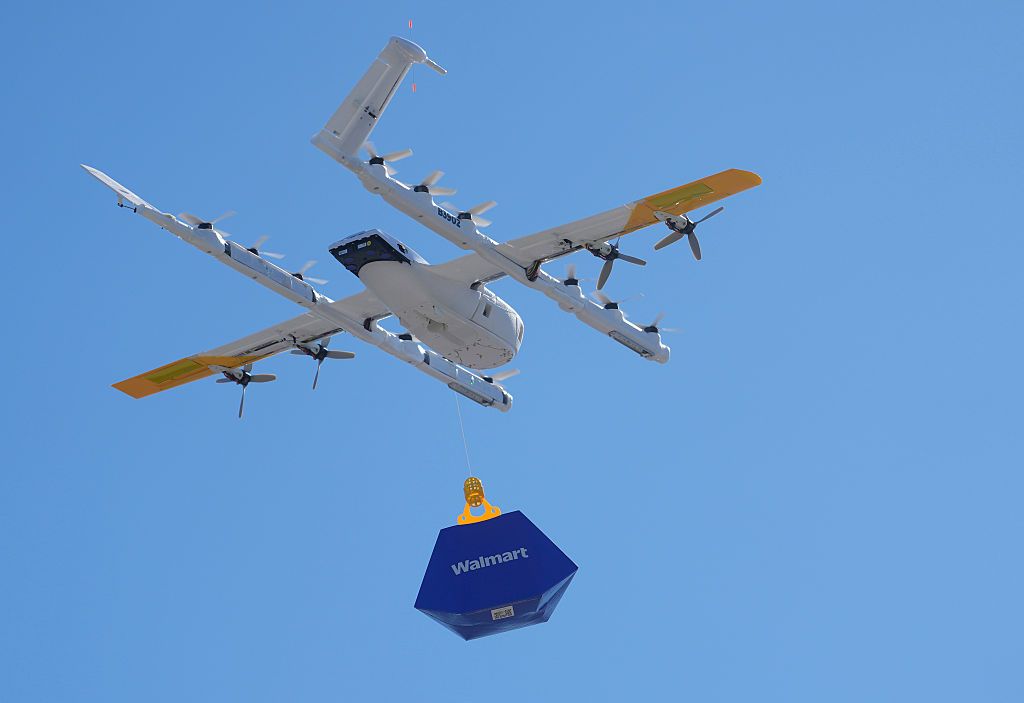
Drones have demonstrated their viability for use in anti-doping control transport. The International Testing Agency (ITA) conducted a proof-of-concept study indicating that drones could effectively transport athletes' samples over short distances to laboratories for analysis. This study was published in September and was performed in Doha, Qatar, as part of the ITA's "Integrity in Flight" project, which had previously explored long-distance sample transport within a 1,000 km range in Alaska.
During the Doha study, researchers collected urine, blood, and dried blood spot (DBS) samples from more than 20 volunteers. They subjected these samples to standard Athlete Biological Passport testing, including steroid profiles, blood values, and metabolic factors, both without transport and after drone flights covering distances of 5 km and 20 km. The study found no significant differences in test results due to drone transport, and there were no alterations in samples that would cause a test to switch from negative to positive or vice versa.
The drone utilized in this study, the RigiTech Eiger, can fly nearly 120 km/h with a maximum range of 100 km, but it is limited to carrying only 3 kg of samples per flight. This limitation may restrict the number of samples transported in one trip. However, drone delivery could enhance logistical efficiency in prompt sample delivery during major sporting events like the Olympic Games or from remote locations where road travel is significantly slower.
For instance, the Sallanches stage of the upcoming Tour de France is about 60 km as the crow flies from WADA's Lausanne laboratory but requires a 130 km journey by car.
Benjamin Cohen, Director General of the ITA, emphasized the importance of innovation on robust scientific principles: "Innovation is essential to addressing practical challenges in anti-doping, but it must always be underpinned by robust science and the highest standards of sample integrity and chain of custody." He added that this research aims to determine whether drone technology can serve as a reliable additional method for transporting samples over long distances or across challenging terrains, potentially aiding remote communities in accessing laboratory and medical services efficiently.
Dr. Olivier Rabin, WADA Senior Director of Science and Medicine, acknowledged that transporting samples to WADA-accredited labs can be costly and logistically challenging, especially from inaccessible areas, and stressed that modern technologies should alleviate these issues without compromising quality. The findings from this research may also have broader applications beyond anti-doping.
Source : cyclingnews.com.