Challenges Emerge with 2026 F1 Regulations and Schedule
Newsroom
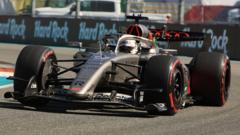
Engine rules, improvements in Alpine's performance, wet-weather racing, and the introduction of extra races were key topics discussed in a recent F1 Q&A session hosted by BBC Sport. The event took place following the Miami Grand Prix, which was the first race impacted by new regulations aimed at addressing concerns regarding the 2026 engine rules.
F1 bosses had previously agreed on modifications to engine design for the 2027 season. BBC F1 correspondent Andrew Benson addressed questions raised by fans amidst the controversies surrounding the new regulations. Fans and analysts expressed their criticisms, with some labeling this regulation change as the worst in their decades of observing F1. However, it's important to note that opinions vary; not everyone held a negative view on the changes.
The consensus acknowledges that the new qualifying format has adversely impacted the driving experience. Efforts to mitigate these effects have taken place, with further refinements planned for the following year. Despite these challenges, many senior figures in F1, including drivers, noted an improvement in overall racing quality. Television ratings for early-season races in Australia, China, and Japan witnessed increases exceeding 20%.
The impetus for the revamped regulations emerged during discussions that commenced five years ago, where the goal was to attract additional manufacturers. Given the direction of road-car technology at that time, it was decided to emphasize electric aspects within the power units, aiming for a 50-50 energy split between internal combustion engines and electric components. The rules also mandated the use of sustainable, carbon-neutral fuels. The elimination of the MGU-H, a component of the hybrid system, was aimed at simplifying the technology to enhance competitiveness for new manufacturers. This led to Audi's entry into F1, followed by commitments from Ford, General Motors, and Honda.
However, the challenges arose when teams assessed the technical implications of operating cars under a near 50-50 energy distribution without the MGU-H. Early warnings indicated that cars could experience energy deficiencies, which prompted a search for workaround solutions that ultimately did not resolve the fundamental issues. Questions remain about the authority's decision-making process and whether the critical 50-50 energy split was truly essential for the sport's future.
As a result, changes to the rules are expected, including adjustments to the energy split favoring internal combustion engines, likely to be implemented in 2027. Ongoing discussions also consider future regulations for either 2030 or 2031, analyzing shifts in road car technology and potential reversals in electrification. The FIA president, Mohammed Ben Sulayem, is advocating for a naturally aspirated engine solution. However, consensus among stakeholders regarding this proposed change remains uncertain.
Fuente: bbc.com.