'Inclusive' World Cup fell short due to Trump administration policies
Newsroom
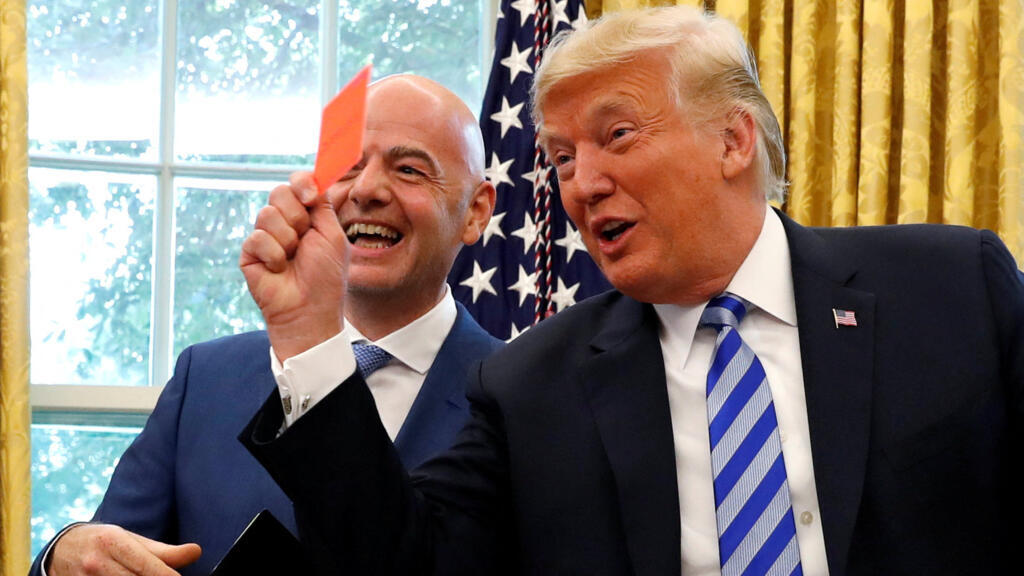
The 2026 FIFA World Cup, which was billed as the "most inclusive" in history, did not meet expectations due to visa restrictions implemented by the Trump administration, according to the Sport & Rights Alliance, a coalition of rights groups. The organization asserted that these restrictions barred many fans and even a referee from attending the tournament. They announced plans to release a report in September detailing the human rights issues associated with the event.
The 2026 edition marked the largest tournament to date, expanding from 32 to 48 teams, allowing smaller football nations to compete on a global stage. However, despite FIFA's statement that the US, which co-hosted the tournament with Canada and Mexico, would be welcoming to fans, the rights groups reported that many were effectively shut out.
Ronan Evain, executive director of Football Supporters Europe, pointed out the difficulty faced by fans from countries like Morocco, Egypt, Jordan, Iraq, and Uzbekistan in obtaining visas. "The claim that FIFA has made welcome to the world, unite the world to the World Cup has largely failed," he stated.
Neither FIFA nor the White House provided comments in response to inquiries. FIFA President Gianni Infantino noted at the start of the tournament that immigration decisions lie with national authorities, while US Homeland Security Secretary Markwayne Mullin defended visa denials, claiming his department consulted with FIFA before the denials were issued.
On the eve of the tournament's kickoff, Infantino urged attendees to "chill, relax." However, difficulties were highlighted as Somali referee Omar Abdulkadir Artan was denied entry into the US despite possessing a valid visa, with the administration citing purported links to "suspected members of terror organizations" as the reason.
The suspension of visa issuance affected several countries, disproportionately impacting nations such as Senegal, while raising safety concerns for journalists and fans. The Sport & Rights Alliance asserted that FIFA allowed a "distinctively dangerous climate of fear" amid the immigration restrictions.
Despite the controversies, the World Cup celebrated milestones, such as Haiti’s first World Cup participation in 52 years and Cape Verde's standout run. Minky Worden, director of global initiatives at Human Rights Watch, acknowledged the darker implications of the host nations' policies, stating that while there was much to celebrate, the negative aspects could not be ignored.
Source: france24.com.