'Miraculous' – Tadej Pogačar's Heart Rate and Sleep Scores Revealed
Newsroom
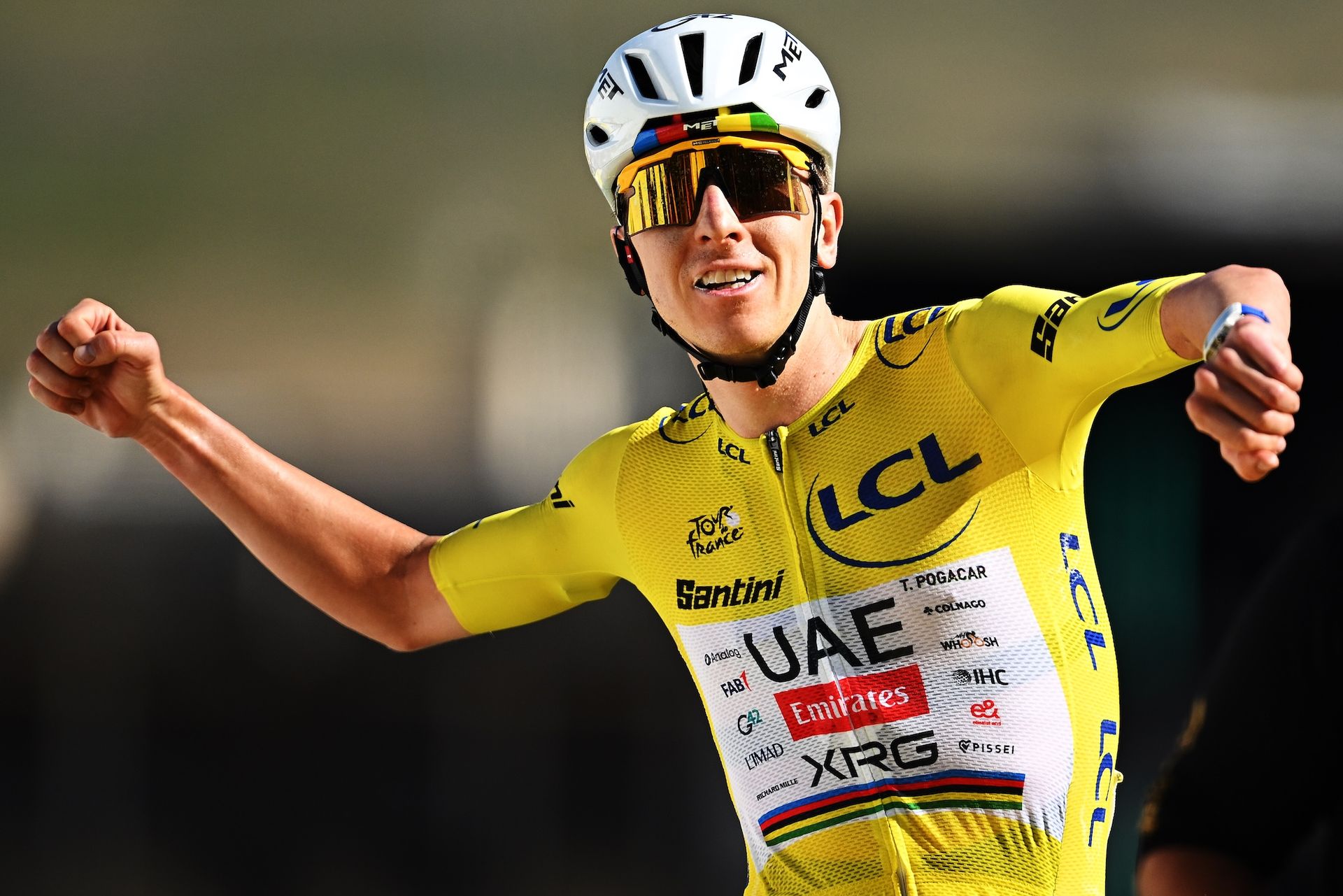
In the new documentary series titled "Anatomy of a G.O.A.T," Tadej Pogačar's remarkable physiological metrics were revealed, showcasing his exceptional heart rate and sleep performance. Produced by HBO Max, Eurosport, and TNT Sports, the documentary aims to decode the scientific factors contributing to the success of top athletes. The series highlighted Pogačar's astonishing resting heart rate of 38 beats per minute, along with a heart rate variability (HRV) of 100 and impressive sleep scores, all provided by his physiological data tracking sponsor, Whoop.
Kristen Holmes, Whoop's Global Head of Human Performance, explained that while Pogačar's resting heart rate is remarkable, the average for a 27-year-old male is about 59 beats per minute. Notably, the heart rates of his teammates on UAE Team Emirates-XRG averaged at 42 beats per minute. This disparity underscores Pogačar's highly efficient cardiovascular system, indicating superior fitness levels. Despite Pogačar's noteworthy metrics, he is still behind five-time Tour de France winner Miguel Indurain, who reportedly had a resting heart rate of 28 bpm.
The documentary, airing on November 5, 2026, also compared Pogačar's HRV to that of Mathieu van der Poel, who similarly recorded an average resting heart rate of 38 bpm but had also noted a low of 34 bpm earlier. This heart rate variability serves as a "readiness indicator," with higher HRV relating to better recovery and overall fitness. Pogačar’s HRV of 100 stands in stark contrast to his teammates’ average, which is reported to be in the 80s. In comparison, Van der Poel's HRV claim stands significantly higher at 200.
In terms of recovery, sleep is shown to play a crucial role, and Pogačar’s sleep patterns were also considered "remarkable." Whoop’s technology tracks sleep consistency, and Pogačar's score was noted at 84%. According to Gregory Grosicki, a Research Scientist, none of Pogačar’s teammates matched this consistency, as their scores primarily fell within the 70 to 80% range. The data revealed that elite athletes often experience poor sleep quality following intense training sessions, but Pogačar seemed to perform exceptionally well, averaging about 7 hours of sleep leading into the Tour de France. Insight into the real-time efficacy of his training and recovery can be further explored in the full documentary.
Source: cyclingnews.com.