UK Heatwave's Impact on Sports: Players and Fans
Newsroom
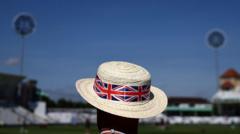
The UK faced an unprecedented heatwave, with June temperatures poised to break the existing record of 35.6C set in 1976. Meteorologists predicted temperatures could soar to 38C and 39C in various regions. The Met Office issued a rare red warning for extreme heat in parts of England and Wales from 09:00 BST on Wednesday until 21:00 on Thursday, encompassing London, Cardiff, the south west and south east, the Midlands, and the east of England. This highest level of alert indicates a risk of serious illness and significant travel disruption.
The heatwave's effects on sports were evident, particularly in tennis, cricket, and horse racing. Two major tennis events, the Wimbledon qualifying rounds and the Eastbourne Open, were underway amid rising temperatures. The ATP had implemented an extreme heat rule set to take effect in the 2026 season allowing players a 10-minute cooling break if the Wet Bulb Globe Temperature (WBGT) exceeds 30.1C during matches. This rule was informed by past incidents, such as an outcry during the Shanghai Masters when Danish player Holger Rune raised concerns over player safety amidst extreme heat.
The WTA had similar rules for over 30 years. The Lawn Tennis Association advised fans to stay hydrated and provided additional safety messages through big screens and announcements. Water stations were available, and staffing rotations increased to ensure player safety.
In cricket, the women’s T20 World Cup continued, while the England men’s team prepared for their third Test against New Zealand starting Thursday. Other matches featured Scotland and Ireland playing separately in Bristol. Expected capacity crowds shrank due to the heat, with school closures in the area leading to the absence of over 2,000 children from the games. Spectator safety measures included shortened flag ceremonies and additional drink breaks, based on ECB guidance, though umpires could suspend games if conditions became dangerous.
In horse racing, four events were abandoned — in Worcester, Salisbury, Kempton, and Ffos Las — following the British Horseracing Authority's hot weather protocols, which called for any course within a red warning zone to be canceled.
The frequency of extreme weather events, including heatwaves, was linked to climate change. Dr. Alan Dangour from the Wellcome Trust stated the increasing occurrence of such events jeopardizes elite and grassroots sports alike, putting both players and fans at risk. He emphasized the urgent need to acknowledge how climate change impacts sports participation and enjoyment.
Source: bbc.co.uk.