Floyd Mayweather's Financial Downfall: From $1.5bn to Debt
Newsroom
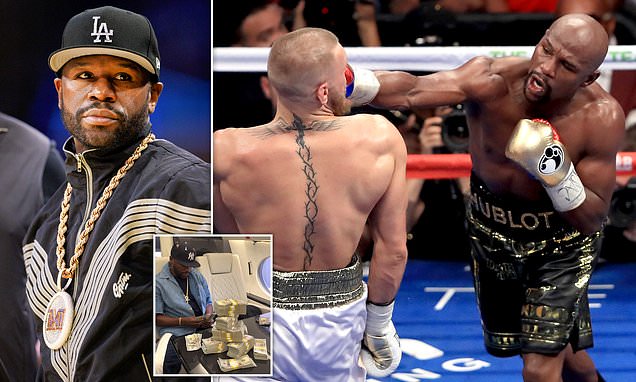
Floyd Mayweather Jr. sold himself as the ultimate symbol of athletic capitalism for years. He was not merely a boxer but a financial statement, transforming prizefighting into a personal private-equity operation. Calling himself 'Money,' he built a carefully engineered image, promoting his wealth through flashiness—stacks of cash, diamond watches, private jets, and fleets of exotic cars.
At the height of his career, it was challenging to argue against his success. Mayweather generated an estimated $2.7 billion in global fight revenue, personally earning between $1.1 billion and $1.2 billion in non-inflation-adjusted purses. His inflation-adjusted earnings stand at around $1.57 billion, ranking him among the highest-paid athletes in modern sports history.
However, in 2026, the reality of Mayweather's finances appeared much darker. Tax liens, lawsuits, cryptocurrency controversies, unpaid revenues, and speculation about liquidity problems arose, raising questions about the stability of his financial empire. Reports captured property sales, leveraged borrowing, and aggressive fight scheduling, intensifying scrutiny of his wealth.
This situation reflects a common dilemma among ultra-wealthy individuals: how someone who reportedly earned over a billion dollars faces substantial financial pressure. The answer can be traced back to a pivotal decision in boxing economics.
In 2006, Mayweather made a risky yet transformative choice. While with Top Rank, he recognized that the boxing industry's traditional structure favored promoters over fighters. Even elite champions received compensation as highly-paid contractors without equity in their events. Understanding that real profit lay higher up the chain, Mayweather paid approximately $750,000 to exercise an opt-out clause from his contract with Top Rank, forming Mayweather Promotions.
This turned him into a central shareholder of his fights, allowing him to collect percentages from various revenue streams, including live gate receipts, pay-per-view sales, and sponsorships. This change not only boosted his earnings but redefined the business model of boxing, inspiring fighters to aspire to ownership.
Mayweather's ability to win fights coupled with his understanding of market dynamics led him to select his bouts carefully, creating a sense of anticipation around each event. This strategy reached its peak when he faced Manny Pacquiao in the 'Fight of the Century' on May 2, 2015. The bout generated approximately 4.6 million pay-per-view buys and $600 million in total revenue, marking a significant moment in sports history.
Fonte: dailymail.com.