Tensions Rise Among Tennis Stars Over Revenue Sharing
Newsroom
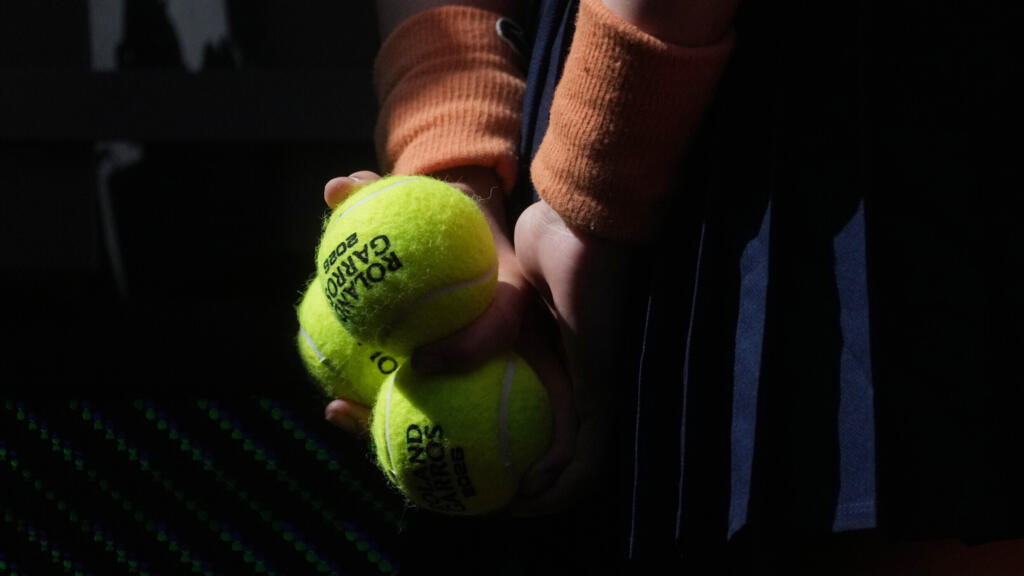
Tensions between tennis players and the Grand Slams escalated at the French Open on Friday, May 22, 2026, as Novak Djokovic warned that the sport risked deeper divisions amid growing demands for fairer revenue sharing and greater player influence. Several stars ditched media commitments in a show of solidarity, although many remained cautious about the prospect of a boycott after Aryna Sabalenka raised the issue earlier this month.
The simmering dispute over revenue sharing intensified during the tournament, with Djokovic expressing concerns about further fragmentation in the sport. Leading players pressed for a more significant voice in shaping tennis's future. Players were expected to limit their appearances at Friday's media day to just 15 minutes and forgo additional multi-media interviews.
While tensions have been building for weeks, rhetoric sharpened particularly in Paris, where players like Taylor Fritz insisted that their grievances extended beyond merely wanting "more money."
"It's about just wanting what's fair," the American added. "As the tournaments make more money, we obviously want to see the revenue shared back to the players reflect that."
Concerns over pensions, tournament expansion, scheduling, and late-night finishes fueled frustrations, alongside what several players described as a lack of dialogue from organizers. Russian player Andrey Rublev illustrated a widening disconnect between players and the sport's leadership, stating, "When you try to communicate for so many years... they don't hear you. They don't answer."
Rublev emphasized that the issue was not merely financial but structural, focusing on the importance of unity in growing the sport: "It's more about are we together, and we try to do something together to grow the sport."
World number one Aryna Sabalenka framed the debate as a struggle for those lower in the rankings. "It's not about me. It's about the players who are lower in the ranking, who are suffering," she asserted. However, players seemed hesitant regarding the idea of a boycott after Sabalenka raised the possibility.
Fritz mentioned, "I don't know if I want to start throwing around the 'B' word. It's a really big deal, and I don't think we as players should really make big threats like that unless we're fully ready to do it."
Six-time Grand Slam champion Iga Swiatek also refrained from endorsing drastic action, noting, "I don't think doing something that is not constructive will make sense. But we want to push a bit more to get what we need."
Djokovic expressed alignment with many players' broader concerns, warning against further division: "I have always been on the players' side and tried to advocate for players' rights and a better future for players, but not only top players."
The Serbian cautioned against the sport's fragmentation, saying, "So the further fragmentation is really hurting me personally. I really don't like to see that." He drew parallels to golf and the divisions caused by the emergence of LIV Golf as a warning for tennis.
While top ATP and WTA events redistribute around 22 percent of revenues to players, the Grand Slams are estimated to return closer to 15 percent, a gap that has become a central source of tension. French Open organizers have maintained that tournament profits fund entire national tennis ecosystems, not just prize money. They were expected to meet with player agents on Friday as discussions continued over revenue sharing and player representation. Tournament director Amelie Mauresmo expressed regret over the reduced media access, stating, "It's always regrettable because media day is an important moment for the tournament, for journalists who come from all over the world and also for the fans through the media coverage."
Fonte: france24.com.