Winning Show Jumping's Jump-Off: Key Insights
Newsroom
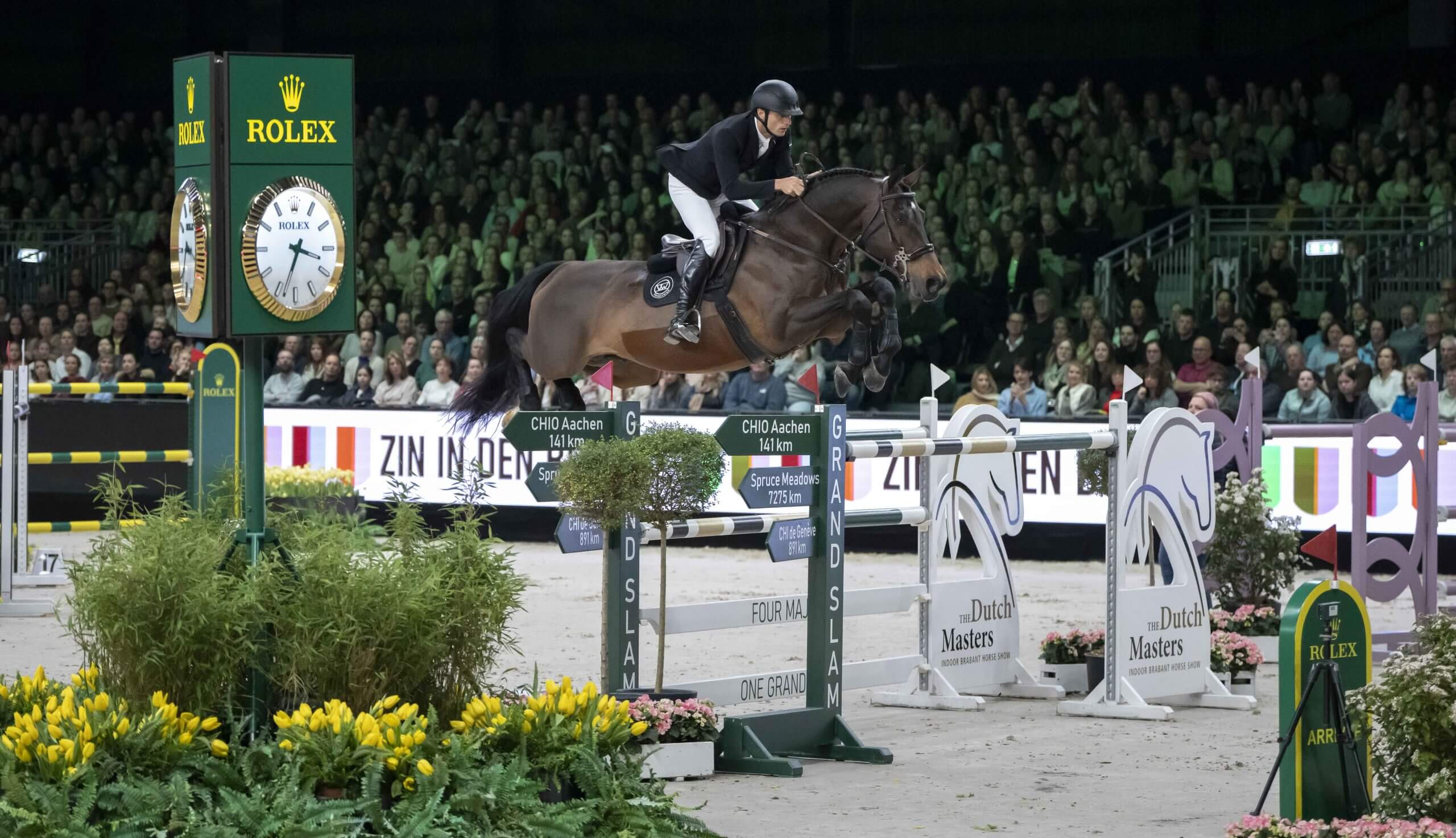
Richard Vogel, who clinched a second major in a row at the Rolex Grand Slam of Show Jumping in Aachen last month, stood out as a top jump-off rider. The Aachen Rolex Grand Prix, an essential event in the show jumping calendar, culminated in a jump-off after three riders were tied. This competition’s structure mirrors other sports with critical deciders such as tiebreaks in tennis or overtime in basketball.
In front of 40,000 spectators, riders Sophie Hinners, Richard Vogel, and José María Jr. Larocca faced a high-pressure jump-off. Hinners set the standard with a clear round, clocking in at 51.62 seconds. Vogel then followed, showcasing his horse United Touch S’s speed and agility, finishing with an impressive 45.57 seconds. Larocca, riding Finn Lente, placed second, nearly two seconds behind Vogel.
Calmly managing pressure is crucial in a jump-off, which is typically a two-stage event testing horse-rider combinations against a time limit without penalties. If riders tie with clear rounds, they compete in a jump-off over a shortened course, where the fastest time wins.
Aachen is renowned for its tradition and prestige, often referred to as the Wimbledon of equestrianism. Vogel emphasized the importance of practice to compete at top levels. He cited that he had not missed participating in any major show weekends.
Industry changes, particularly in breeding practices, have introduced faster horses capable of handling modern competitive demands, according to Vogel. He noted a transition to horses that not only possess speed and capability but also intelligence and carefulness.
Cameron Hanley, who has extensive experience in show jumping, explained that successful jump-offs depend on various factors including the horse’s experience and the competitor's strategy. He highlighted standout riders like Julien Epaillard and Vogel for their positive riding approach.
William Whitaker, coming from a lineage of top riders, shared advice from his uncles: focus on planning and execution and accept that winning is not guaranteed. Both Whitaker and Hanley noted that youthful exuberance can be an asset in younger riders, but it is vital to prepare thoroughly.
In essence, a successful jump-off requires not just speed, but also confidence, strategy, and an ability to work effectively with horses.
Fonte: nytimes.com.