Aston Martin's Gains with F1 Hungarian GP Update
Newsroom
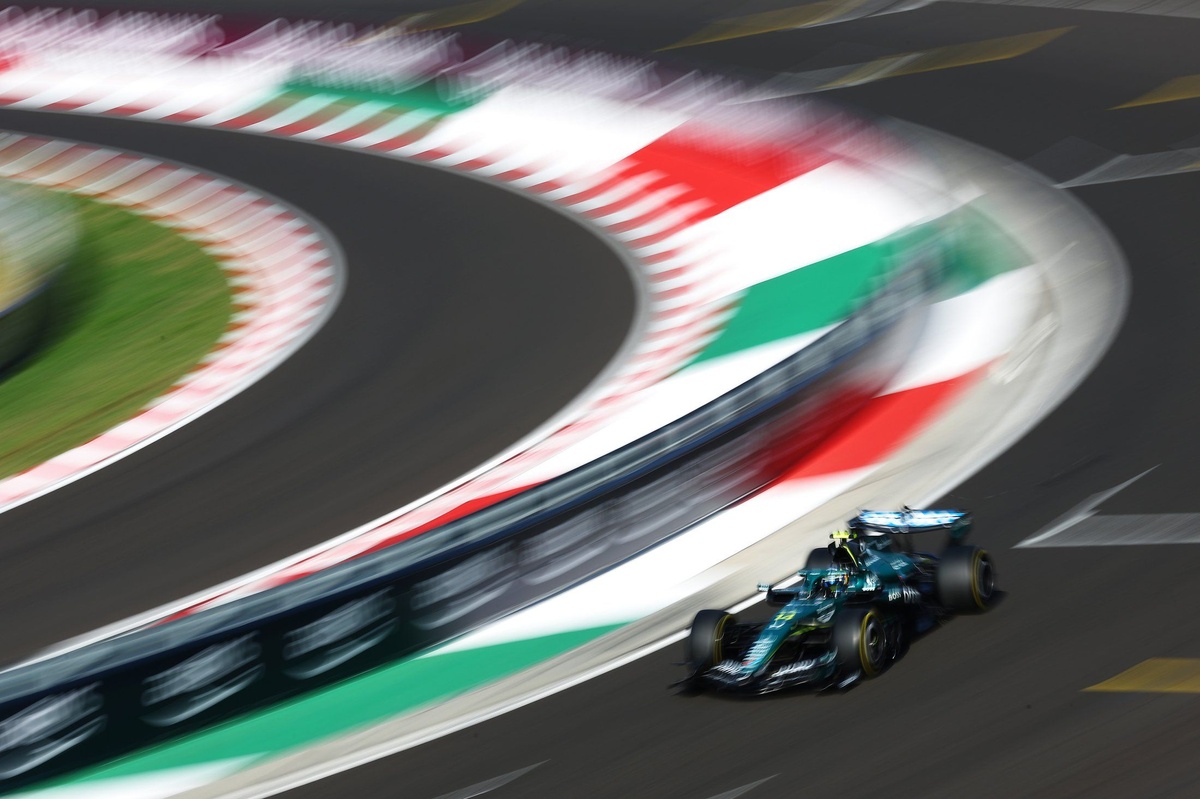
Aston Martin's Gains with F1 Hungarian GP Update
Aston Martin's update for the Hungarian Grand Prix enabled Fernando Alonso to advance to Q2 for the first time in the 2026 Formula 1 season after the team's struggles in the initial races. Hindered by a series of reliability issues, Aston Martin had not progressed past Q1 in any of the first ten qualifying sessions of the year. Alonso had previously managed to break into the second stage of sprint qualifying in Canada, but his crash prevented him from continuing.
The aerodynamic updates introduced at the Hungarian Grand Prix marked Aston Martin's first step toward recovery. The upgrades included major redesigns to the front end, a reworking of the sidepods, and significant updates to the floor and rear of the car.
Prior to these updates, Aston Martin had seen a decline in performance as rival teams made incremental improvements. The team averaged a time that was 4.028% slower than the fastest laps in the first five races, worsening to 5.311% in the next five rounds. For instance, if the theoretical best lap was 90 seconds, Aston Martin would have clocked 1m33.625s in the first half and 1m34.780s in the second half of the ten races, indicating a physical slowing of the car against competitors.
At the Belgian Grand Prix, Alonso's performance highlighted the gap, as he finished 5.405% behind that weekend’s fastest lap, while the updates at Hungary allowed him to get within 3.369% of the Q3 fastest lap.
These numbers indicate a gain of 2.036% following the updates. Assuming a 90-second lap for comparison, this translates to a time improvement of 1.832 seconds in Hungary. If Aston Martin had not implemented the updates, their theoretical lap time would have placed them in a lower competitive position, showing the tangible benefits of the updates.
In conclusion, the updates provided Aston Martin with a notable increase in performance, with gains estimated between 1.5s and 2.1s depending on circuit specifics. The long-term effect on race pace remains to be seen, but improvements observed in qualifying suggest that the updates have positively impacted the team's overall speed entering the Hungarian GP.
Fonte: autosport.com.