Mercedes shares responsibility for Russell's struggles
Newsroom
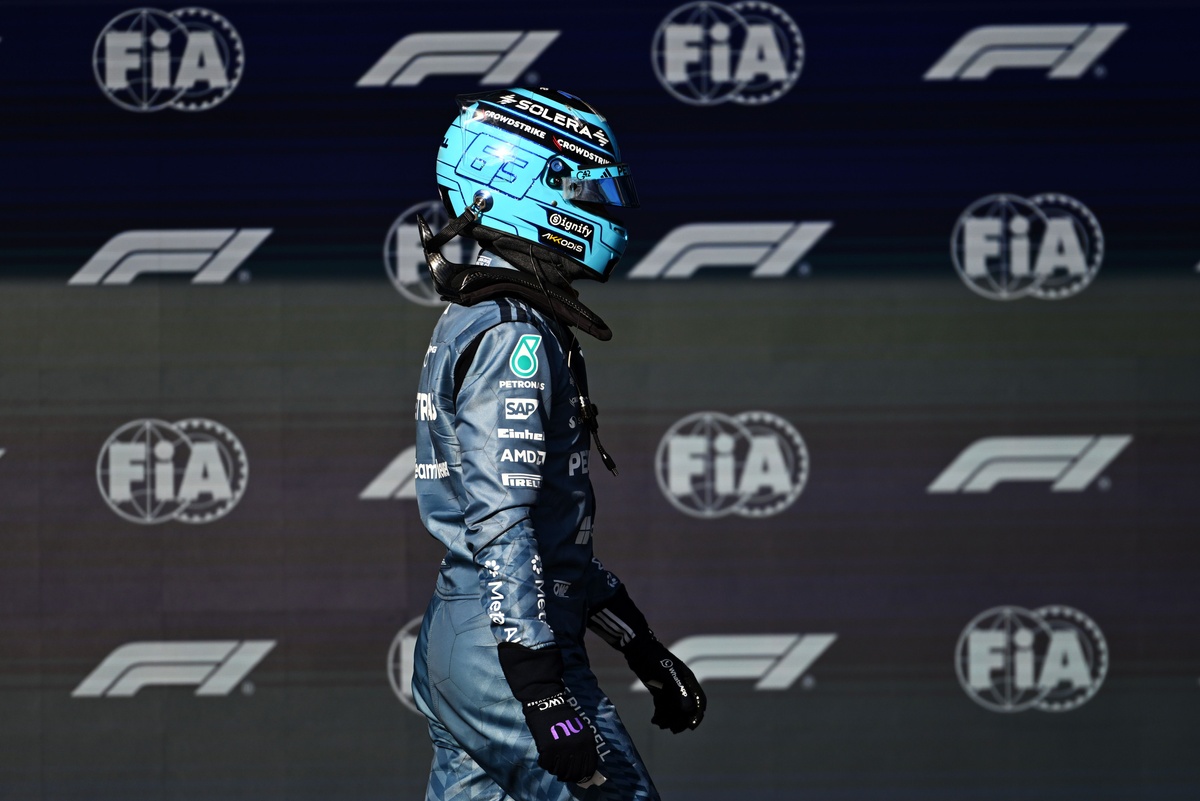
Mercedes shared responsibility for George Russell's issues during the 2026 Formula 1 season, which worsened in recent weeks leading into the United States Grand Prix. Russell's performance reached a new low in Austin, as he qualified over four tenths behind his teammate Kimi Antonelli and finished eighth in the race, while Antonelli secured his ninth victory of the year, edging closer to the world title.
Russell's potential struggles were further complicated by a five-second penalty incurred on the first lap, which dropped him behind McLaren's Oscar Piastri. Following the race, Mercedes team principal Toto Wolff acknowledged that the penalty did not change the underlying problems that needed to be addressed.
Despite some signs of improvement in his overall form after the summer break, including a victory in Baku, Russell's difficulties compounded after the summer break, especially after Mercedes introduced a significant upgrade to their car in Malaysia. While Russell had shown competitiveness in trimming sessions, he struggled to convert this into solid race performances, failing to qualify higher than sixth since the update.
The prevailing theory suggested that the new W17 car, despite being faster at peak performance, possessed a much narrower operational window, creating challenges for Russell. Wolff remarked on Russell's struggles, noting the car's operational complexity and suggested that while Russell demonstrated potential, the performance issues were rooted in car setup and operational mismatches.
Russell summarized his feelings about his race, expressing frustration with the lack of pace and feeling a significant gap from Antonelli, who was performing exceptionally well. "I want to understand why the pace was so bad in the first stint," Russell stated. He acknowledged the potential within the car, noting the small window for optimal performance that seemed to hinder his chances significantly.
This year, Russell's adaptation to the 2026 car showed signs of struggle after he initially thrived in adapting his driving style after winning the season opener in Melbourne. With only five races left in the year, Mercedes hoped for a stronger fit with their 2027 car, which they believed would be more harmonized for both drivers, facilitating Russell's efforts to discover optimal setups.
Wolff remained convinced that Russell had the potential to rebound from his current situation, emphasizing his credentials as a champion with a proven track record in various racing categories. He acknowledged the need to solve the inconsistencies in Russell's performance compared to Antonelli. "George is not half a second or three tenths slower than Kimi. That's just absolutely not the case," Wolff asserted, illustrating the team's commitment to addressing Russell's challenges effectively.
Fonte: autosport.com.