World Cup 2026: Soccer's Evolution Since ‘USA94’
Newsroom
Newsroom
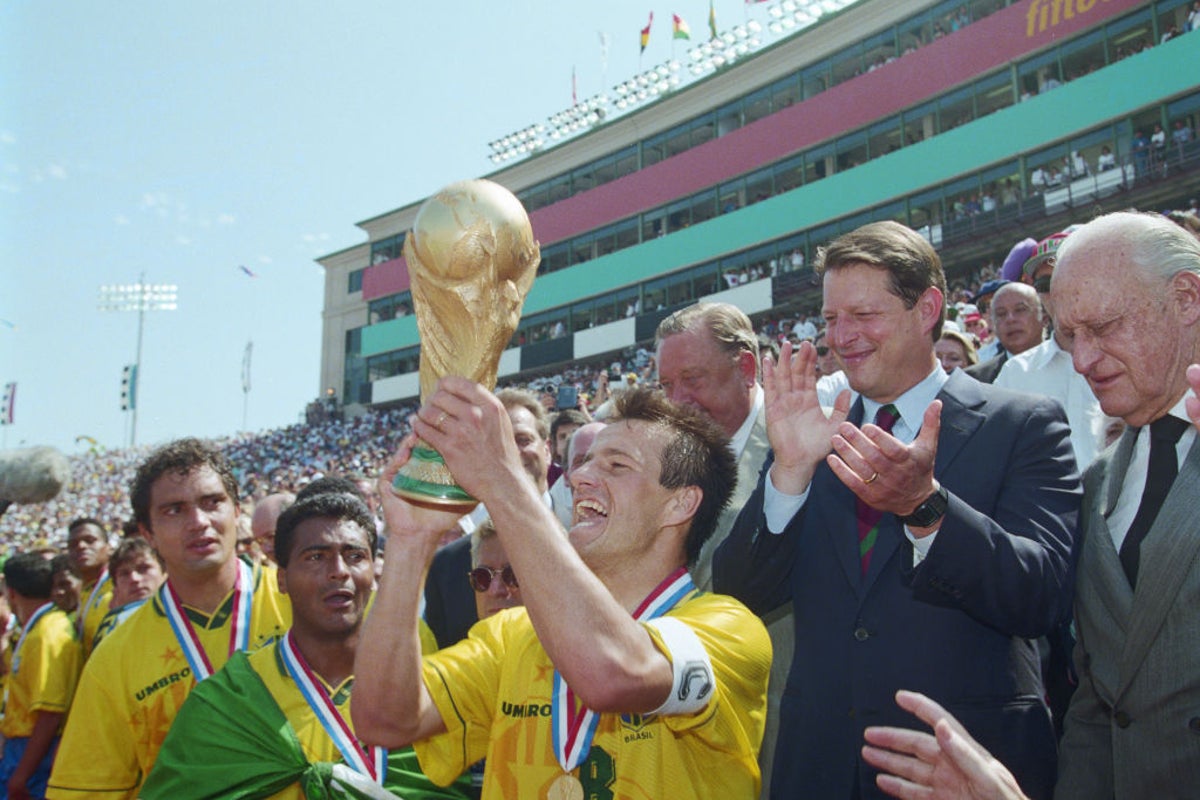
Soccer has changed dramatically in many ways since the 1994 World Cup in the US. As the US, along with Mexico and Canada, prepares to host the mega-event once again, the tournament’s defining change since 1994 is its sheer scale-up.
The 1994 tournament featured 52 matches across 32 days with 24 teams. In contrast, the 2026 event, marking the first three-nation World Cup, will involve 78 matches in the US alone, over 39 days. The competition will include 48 teams divided into 12 groups, with the top two teams in each group and the eight best third-placed teams progressing to the knockout stage. This expansion represents a significant increase in the size of the tournament compared to 1994.
This scale-up can be attributed to the forces of globalization and commodification, alongside a deliberate strategy by FIFA president Gianni Infantino to bolster the sport's commercial dominance. Central to this has been the expansion of the tournament into non-traditional markets like the US, generating substantial financial returns and commercial interest. Infantino and FIFA have faced criticism in global media but have expanded the World Cup’s reach and commercial power.
Furthermore, FIFA has incorporated smaller nations, such as Cape Verde and Curaçao, into the tournament structure. The tournament’s expansion is driven by two core dynamics: more matches mean more broadcast content, enhancing FIFA’s largest revenue stream through media rights; additionally, more nations participating bolster FIFA’s political base, strengthening the influence of less powerful soccer nations.
Soccer in the US has grown significantly since 1994. Following the event, the 1994 World Cup led to the establishment of Major League Soccer (MLS) in 1996, which is now a staple in the US sporting landscape. The growth has also impacted women’s soccer, which has seen significant investment. The US men’s soccer team, currently ranked 16th, stands a good chance of performing well in 2026.
FIFA’s rule changes since 1994 have focused on maintaining game pace and player welfare, with stricter rules on time-wasting and expanded use of VAR technology expected for 2026. Additionally, mandated drinks breaks will be introduced due to extreme conditions experienced in 1994. Substitution rules have evolved, allowing for more changes during matches.
Ultimately, despite heightened commercialization and expansion, the essence of soccer remains unchanged. The game played on the world stage retains the same simplicity and accessibility as the version found in local parks, schools, and community fields.
Fonte: independent.co.uk.