F1 bosses agreed to engine design change for 2027
Newsroom
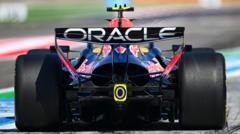
F1 bosses agreed to a change of engine design for 2027 season
Formula 1 bosses have agreed a change to engine design for the 2027 season in response to criticisms of the new power units introduced this year.
Drivers have complained that the near 50-50 split between internal combustion and electrical power and need for energy management diminished the challenge in qualifying. It was agreed in principle in a meeting of teams, commercial rights holder F1 and governing body the FIA on Friday to increase the proportion of total power coming from the internal combustion engine by 50kW (67bhp) and reduce the electrical power by the same amount. This change is expected to allow drivers to drive in a more conventional way in qualifying.
The adjustment will decrease the need for energy harvesting, as less energy will need to be recovered. Currently, the cars require energy management techniques such as recovering energy while on full throttle, which contributes to speed drop-offs before corners and during some fast curves. The expectation is that this change will almost entirely eliminate these issues, except at the most energy-starved circuits.
A statement from the FIA confirmed that the meeting unanimously agreed upon the changes. The specifics will be discussed in technical groups involving teams and power-unit manufacturers before a final package is established. These groups will also explore other measures that could be adopted to achieve similar goals regarding energy harvesting.
Several potential methods are available for addressing this issue. The changes will require development to existing engines, but a senior insider remarked: "Everybody is in the mood for a challenge." There are technical constraints to resolve, as some teams wish to carry over their chassis into 2027 to reduce costs, making the increase in fuel tank size challenging.
The meeting also echoed the F1 drivers' views that changes to the operation of the engines for the Miami Grand Prix had been "a step in the right direction". Drivers almost unanimously expressed this sentiment during the Miami weekend. McLaren's world champion Lando Norris stated after finishing second in the race: "It's a small step in the right direction, but it's not to the level that Formula 1 should still be at yet. If you go flat out everywhere and you try pushing like you were in previous years, you still just get penalised for it. You still can't be flat out everywhere." He added, "You should never get penalised for that kind of thing and you still do."
Fuente: bbc.com.