
F1 Q&A: Why don't drivers race in other series?
Newsroom
Formula 1 is back in North America this weekend for the Canadian Grand Prix, the fifth round of the 2026 season. Mercedes' George Russell, who won the race last year, aimed to narrow the 20-point gap to his team-mate Kimi Antonelli at the top of the drivers' championship. Before the race in Montreal, BBC F1 correspondent Andrew Benson answered recent questions from fans.
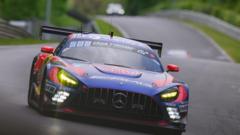
One curious question addressed why other F1 drivers do not participate in different forms of motor racing like Max Verstappen is currently doing with endurance racing. Max Verstappen's outing at the Nurburgring 24 Hours last weekend generated significant interest; however, it is notable that he is only the third grand prix driver in over 20 years to race seriously elsewhere while competing in Formula 1.
The only other drivers who have done something similar in recent memory are Fernando Alonso and Nico Hulkenberg. Alonso participated in the Indianapolis 500, Daytona 24 Hours, and the World Endurance Championship during his term at McLaren, while Hulkenberg raced at Le Mans when he was at Force India in 2015. The primary reason most drivers refrain from this is due to contractual prohibitions. Risks of injury, potential contractual clashes, and lack of time are significant factors.
In Verstappen’s case, he has substantial leverage with Red Bull that other drivers typically do not have. As a four-time world champion, the team is eager to keep him satisfied, especially considering his current dissatisfaction with F1. Alonso faced similar circumstances; his uncompetitive McLaren setup pushed the team to allow him to pursue other racing adventures, which also appealed to McLaren F1 boss Zak Brown’s enthusiasm for motorsport.
During the Nordschleife race, Verstappen excelled, bringing his team from 10th position to the lead before a driveshaft failure ended their hopes for victory. However, the race showcased the dangers involved in such events; Verstappen narrowly avoided a high-speed crash early in his stint, demonstrating the increased risks compared to F1, particularly due to mixed categories of cars that result in significant speed differentials.
Discussions also emerged regarding the nostalgia for past F1 engine eras, such as the V8 engines that concluded in 2013. FIA president Mohammed Ben Sulayem’s attempts to revert regulations to that period sparked interest. Before 2009, races fluctuated between thrilling and dull, compounded by each season’s unique elements such as tire performance and team strategies.
In relation to new driver Kimi Antonelli, speculation arose regarding the influence of his race engineer Pete Bonnington on his recent success. Bonnington, who has mentored drivers like Michael Schumacher and Lewis Hamilton, is credited with helping Antonelli navigate his F1 career. Mercedes F1 boss Toto Wolff emphasized the importance of keeping Antonelli grounded, especially with the competitive nature of his team. Antonelli's next challenge comes with the Canadian Grand Prix taking place from May 22-24.
Source: bbc.com.