
The 'Uncomfortable' World of Football Documentaries
Newsroom
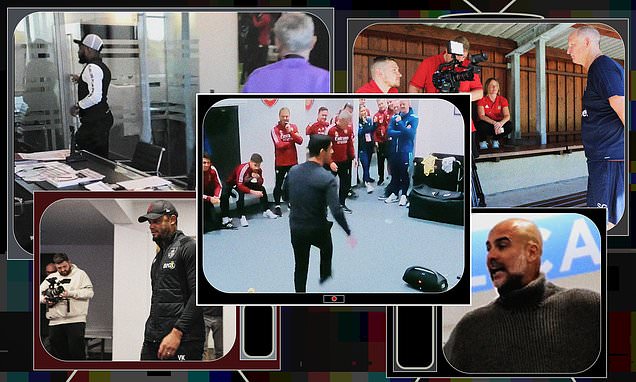
Football documentaries have revealed an uncomfortable truth about the respect shown—or lack thereof—to managers. In a recent exploration into this genre, the experiences of managers, such as Pep Guardiola's adaptation to the presence of cameras, and the implications of Mauricio Pochettino’s appointment for Amazon’s crew at Carrington shed light on the tension and challenges faced within the sport.
The journey began with a revealing moment for co-managers Anthony Johnson and Bernard Morley of Salford City, who unexpectedly found themselves in the spotlight during a documentary filming. Their experience came during a Northern Premier League Division One North fixture, where the duo was approached by the cameras without prior warning, leading to a sense of surprise and discomfort.
The BBC One docuseries, ‘Salford's Class of '92,’ featured legends such as Paul Scholes and Phil Neville, yet ironically, it became more about the dynamic between Johnson and Morley as they navigated the pressures of management and success, leading Salford through three promotions since 2015. Salford City became the smallest club to be featured in such a way.
Meanwhile, Amazon Prime documented Manchester City’s title-winning campaign in 2018, and with Pochettino's recent hiring at Manchester United amid chaos—including internal disputes and a tough start to the season—the streaming service is poised to capitalize on the drama unfolding. The decision to film during such turbulent times raises questions about the ethics of management under constant scrutiny. A notable instance included a camera crew departing a press conference just before Michael Carrick's dismissal, illustrating the added pressure on managers in the spotlight.
Sunderland manager Simon Grayson expressed the difficulty of remaining authentic with cameras present, recalling his time during the Netflix series, ‘Sunderland 'Til I Die.’ He noted how managers struggle to be themselves when aware of being filmed. Grayson avoided full access for the Netflix crew, similar to David Moyes's decision to reject filming the year prior.
By contrast, Wrexham's Phil Parkinson has been able to control the filming, highlighting the varying dynamics across different clubs. Grayson noted that players often felt uneasy with cameras around, indicating a general apprehension towards the intrusion of personal space in the sporting environment. He described some instances where the crew attempted to overstep boundaries, reflecting another layer of complexity in the world of football documentaries.
Source: dailymail.com.